The
winter
Of
‘44
MALMEDY TO BASTOGNE
✦
MALMEDY TO BASTOGNE ✦
From Malmedy to Bastogne
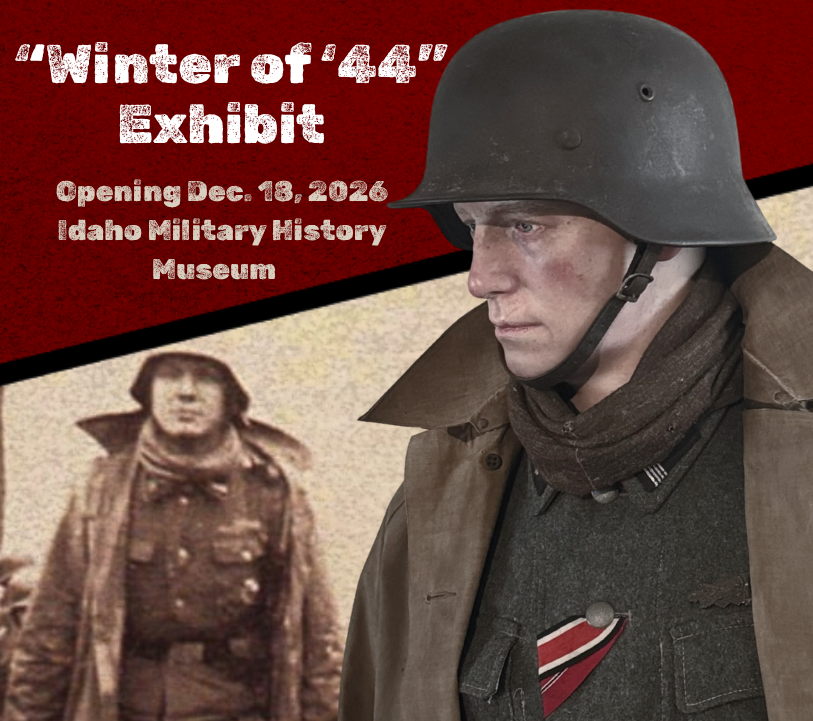
On December 16th, 1944, Hitler launched once of the most devasting offenses on American troops in Europe. The quiet Belgian villages in the Ardennes region became a nightmarish hellscape of atrocities. Materials presented on this site, and in our exhibits, focuses on this cold December, particularly in the Malmedy-Stavelot sector in the North, and the iron ring around Bastogne in the South. The Exhibit Offers truly unusual and extremely rare artifacts of the men who experienced this hell.
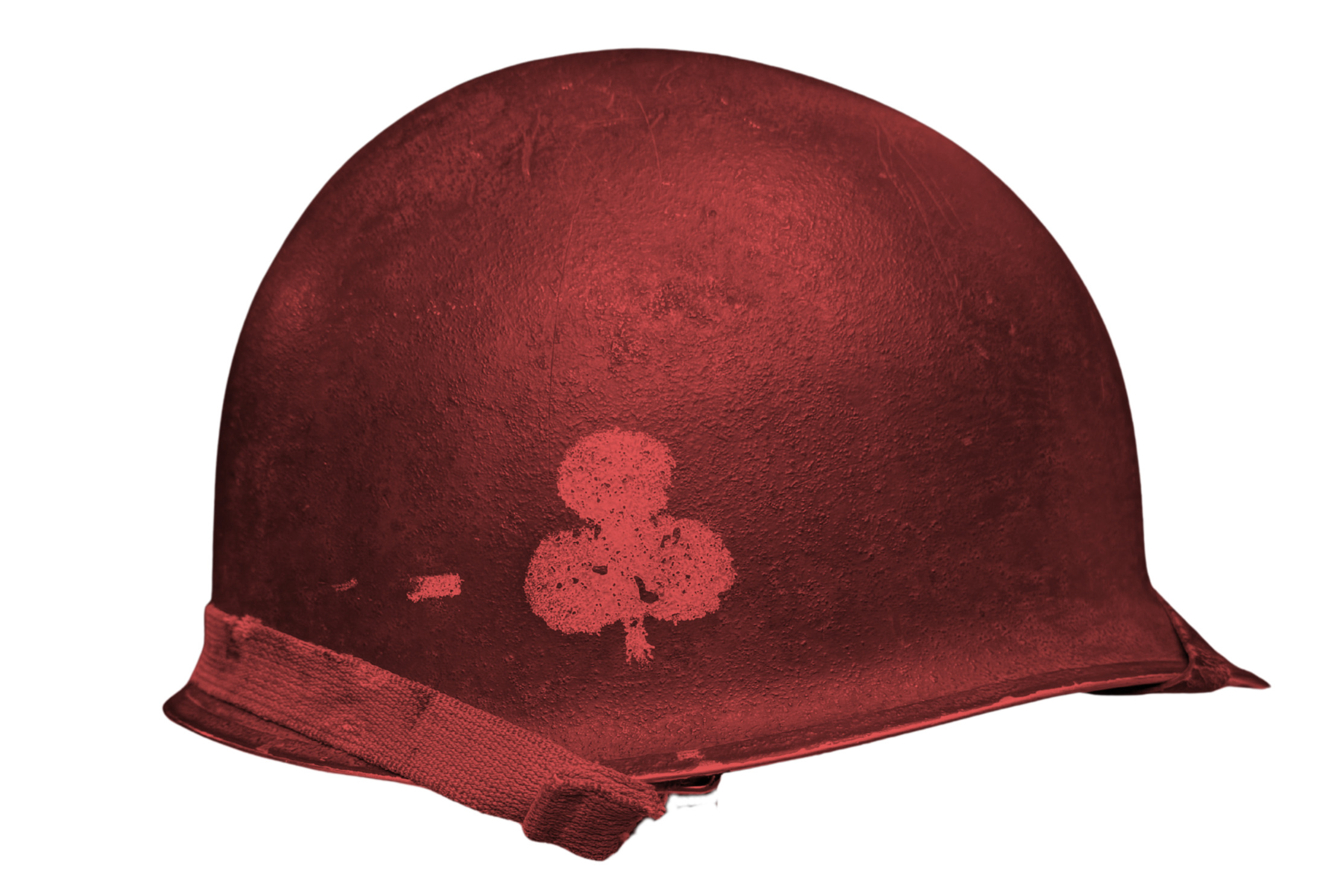
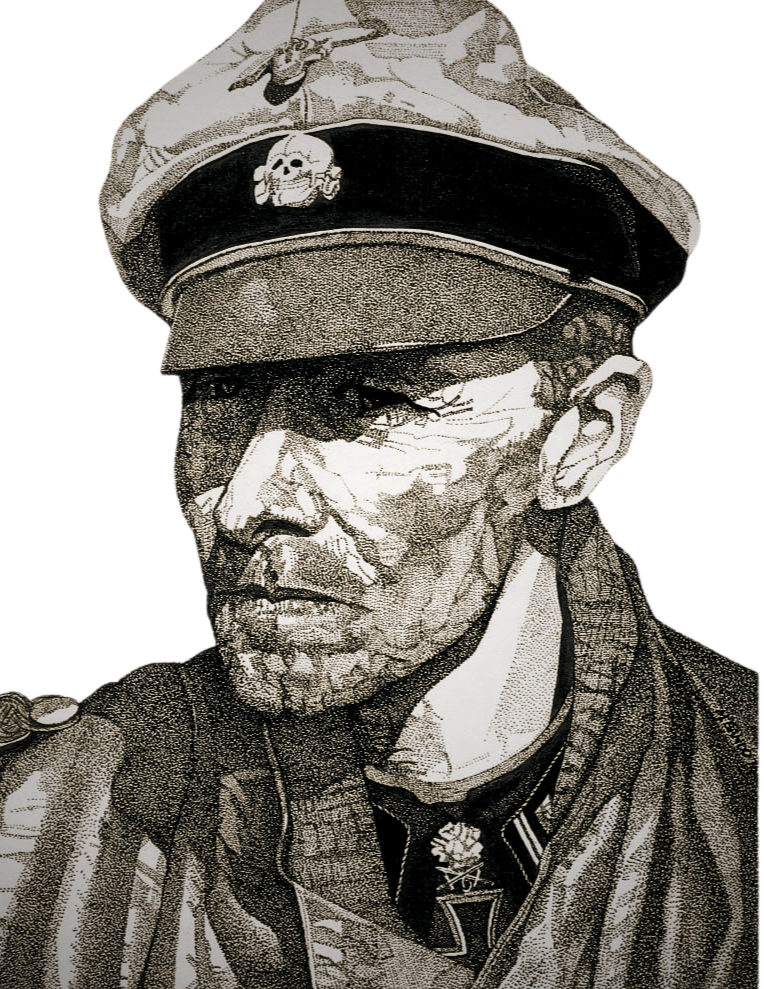
Northern Shoulder
Ink Illustration by M. Bando
Some of the Battle of the Bulge's most intense fighting occurred amid the chaos of the northern sector. particularly around the town of Stavelot, where American forces cut off the spearhead of some of the most infamous SS Battlegroups. Trapped in the “Ambleve Pocket,” surrender was not an option as SS soldiers ferociosly and brutally attempted to break out of their isolation. While Bastogne (in the South) has historically recieved a greater amount of attention due to numerous film projects, the nightmare around Stavelot offers a shocking view into the Winter of ‘44.
Malmedy-Stavelot Sector
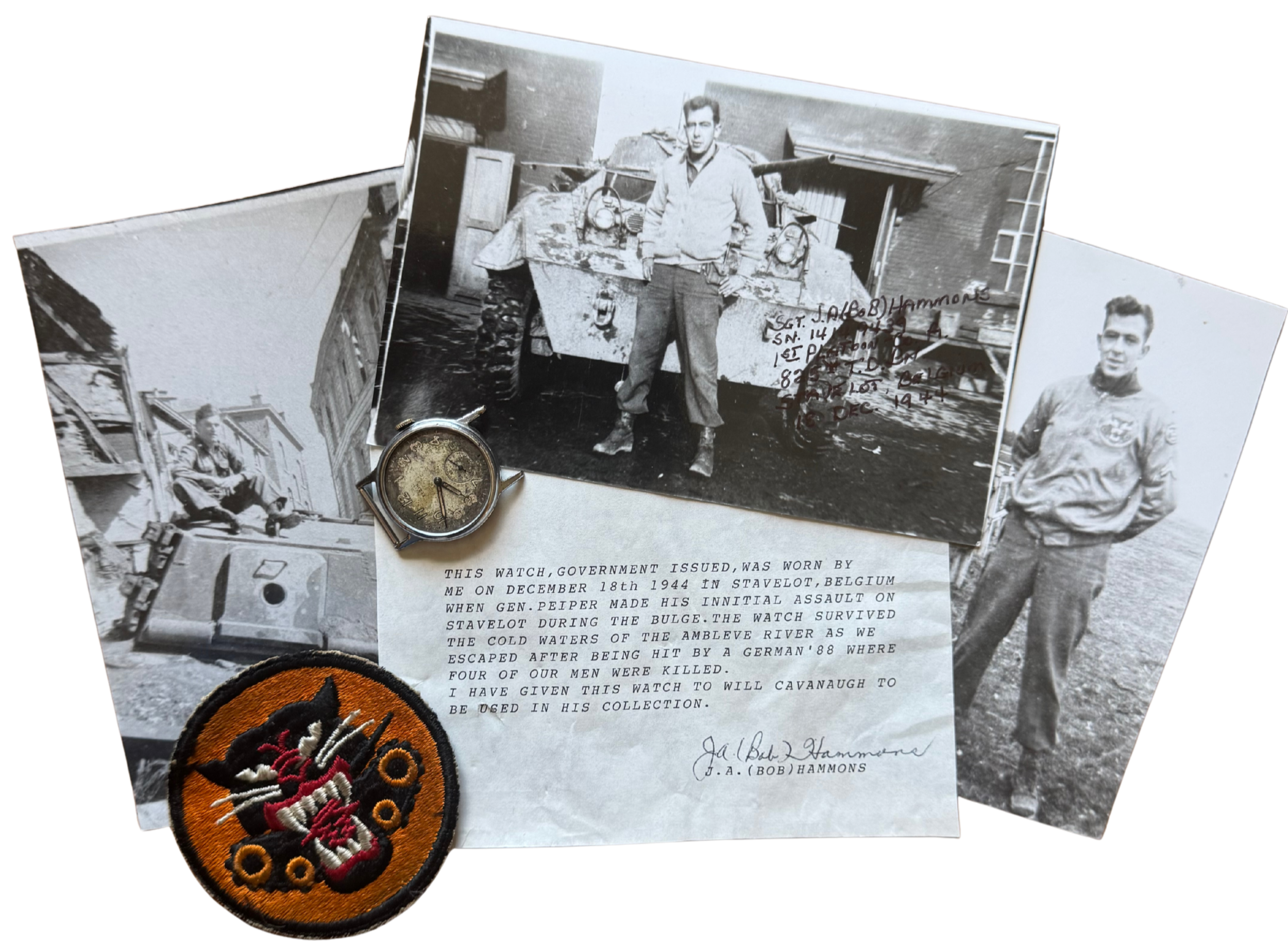
Accounts & Artifacts
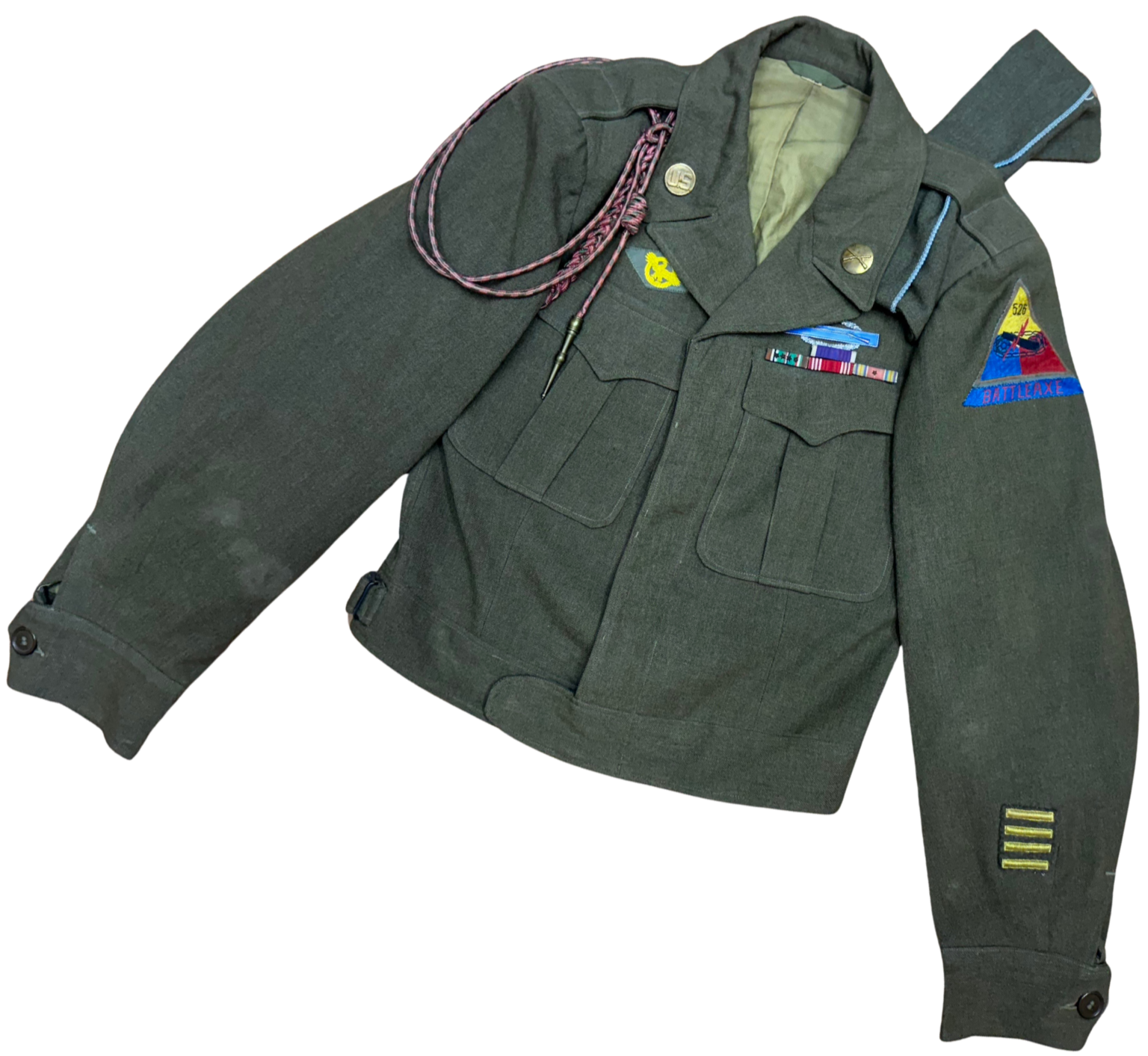
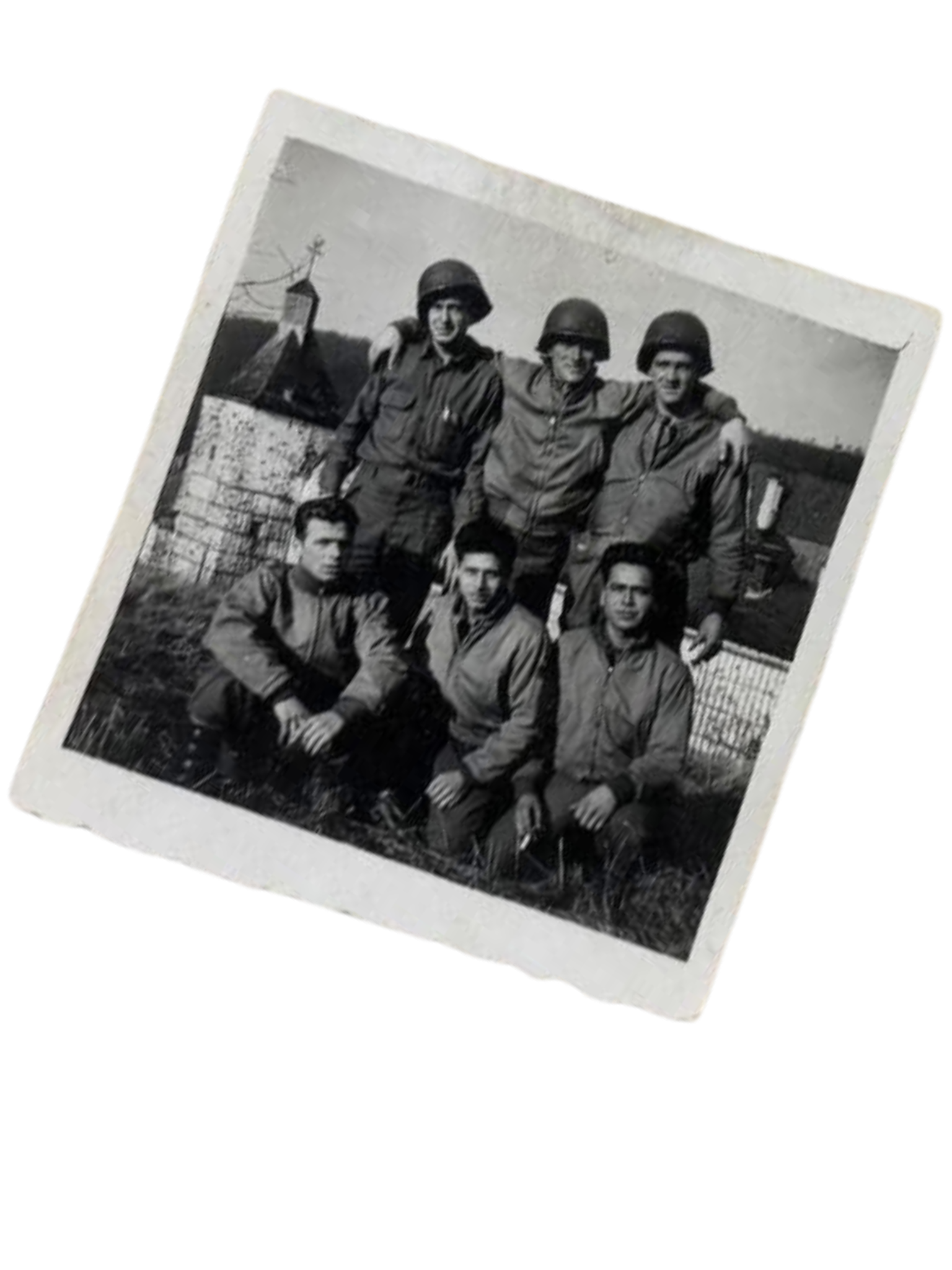
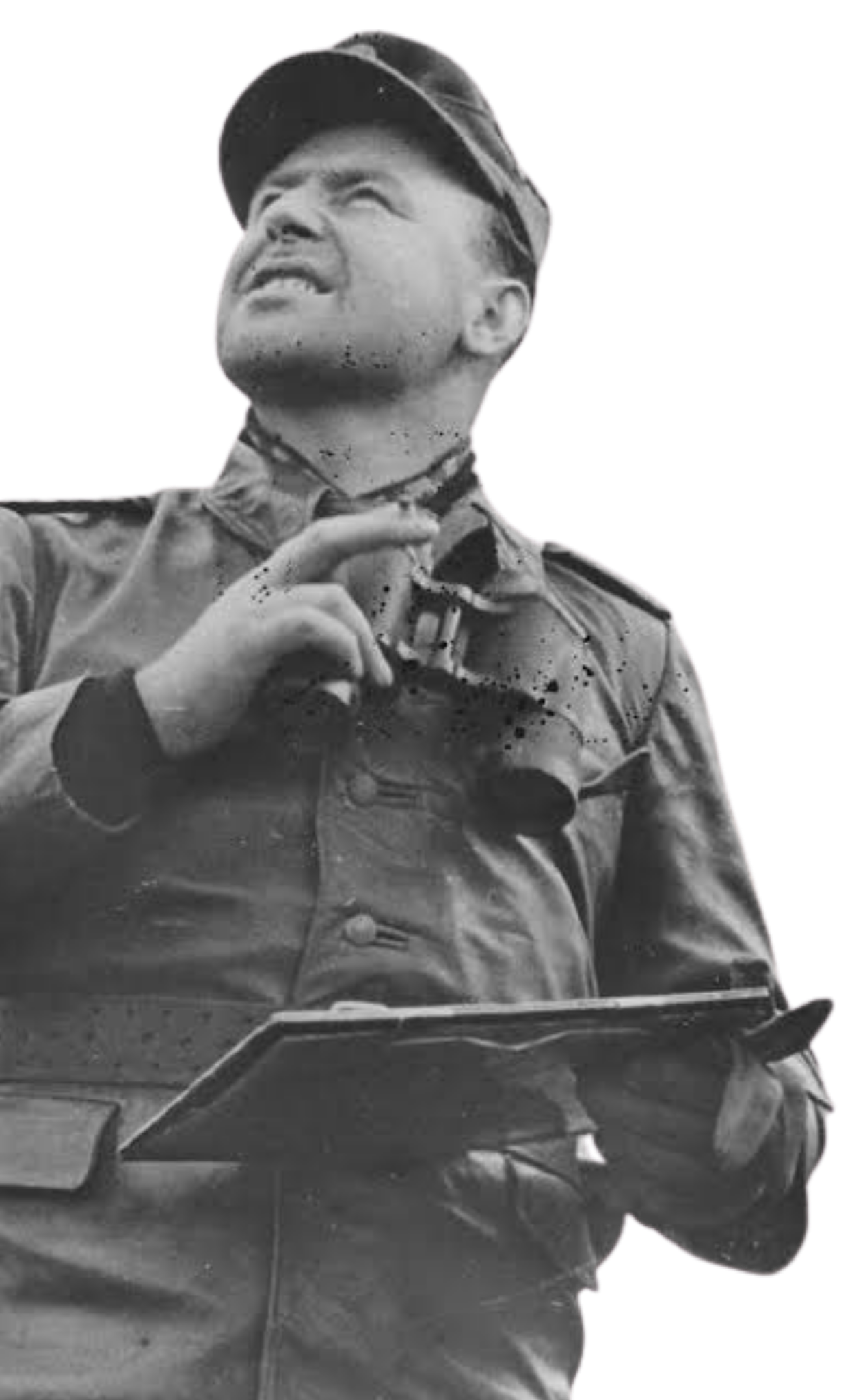
The Exhibit features accounts and narratives paired with artifacts which were actually there. If you’re interested in historical first hand accounts, or Militaria, check out the exhibit’s artifacts which were there in that Winter of 1944.
ABOUT US
About Kent Kiser
My fascination with World War II began as a child. Family stories about my great-uncles' wartime service, my grandfather's Korean War uniform hanging in the closet, Band of Brothers, and classic WWII films like Battleground all fueled an imagination that eventually became a lifelong passion for history.
Although my interest in collecting faded during high school, my love of history never did. While pursuing my M.A. in History at Boise State University, I was writing a thesis on agrarian populists during the Great Depression when a class introduced me to the concept of public history. One assignment required us to develop a grant proposal for a conceptual historical exhibit. I chose to research my great-uncle's unit—Company A, 526th Armored Infantry Battalion.
With the support of family, friends, the Boise State History Department, and the founder of the Idaho Military History Museum, Ken Swanson, that classroom assignment became a public exhibit. It reunited six families of 526th veterans and found a new passion!
Since then, I've earned a second master's degree in teaching, teach high school history, and served as Vice President of the Idaho Military History Museum. My research has taken me to Stavelot, Belgium, where years of work have allowed me to collaborate with and befriend historians, authors, and collectors including Mark Bando, Ken Swanson, Pieter Oosterman, Dylan Almendral, Ruben Schmetz, Timo Worst, Raymon Reinders, Serge Lemaire, James Mattingly, Tim Blood, Corey Clyne, Dudley Cone, Dr. David Walker and Rich Riley. Their friendship, advice and expertise have been invaluable in shaping both my research and my collection.
Today, my goal is to preserve and share the history of the Battle of the Bulge through public exhibits, educational content, and carefully curated artifacts. Whether the story is Stavelot or Bastogne, I believe the objects themselves allow me the opportunity to tell their story. While the Bulge is a significant focus, I aspire to eventually expand into other topic in the European Theatre of Operations.
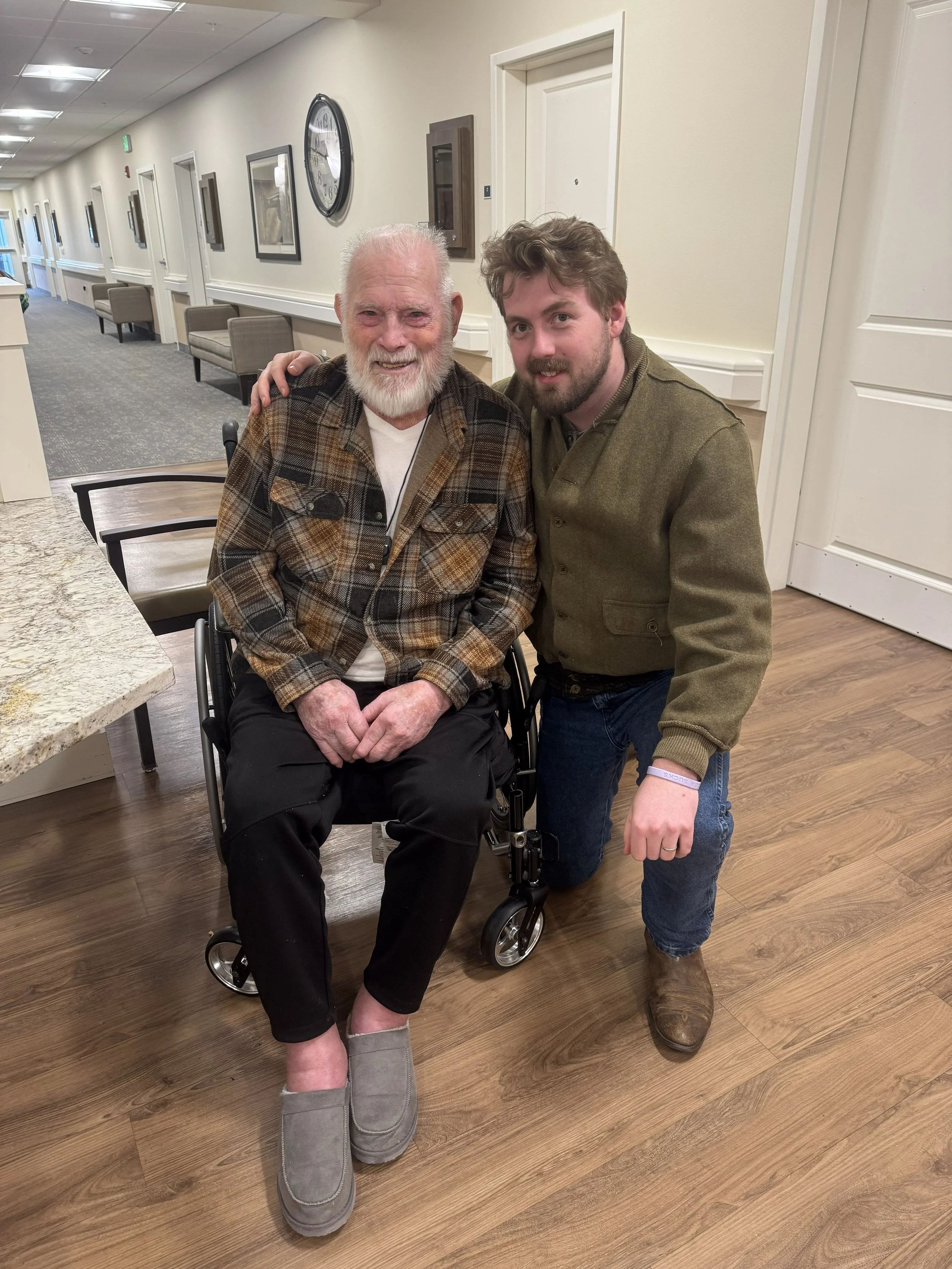
The Last living 526th Armored Infantry Veteran, T-5 Lincoln Mahaffey (3rd Platoon, B/526th) and me (2025). Lincoln was among the first into Malmedy in the early morning of December 18th, 1944.
About Dylan Almendral
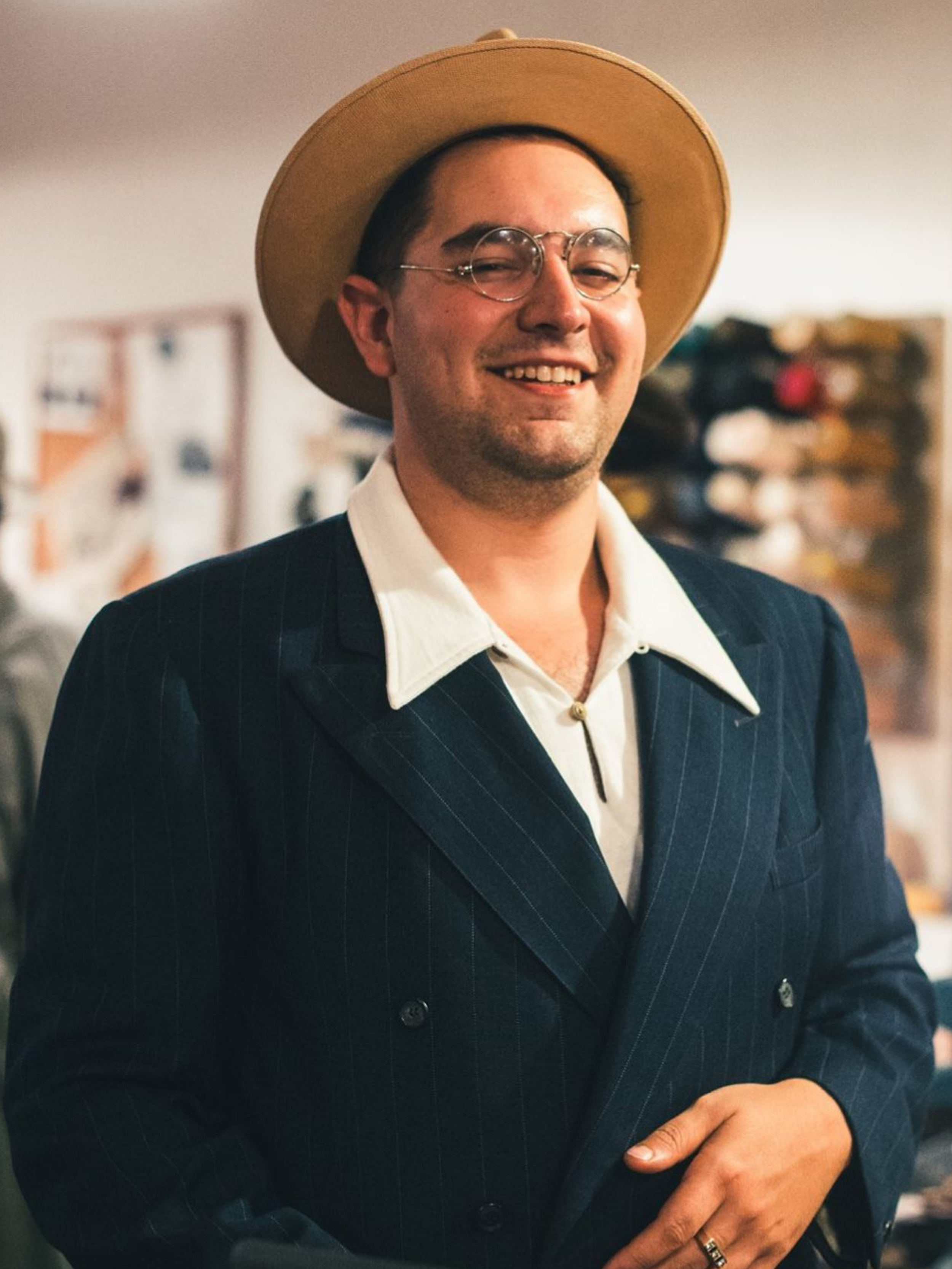
Historian, author, and content creator Dylan Almendral of Orange County, California, connected with Kent in 2024. A passionate advocate for preserving history through storytelling, Dylan believes that the objects people leave behind provide powerful windows into their lives. He has championed the integration of digital media with traditional museum exhibits, creating immersive experiences that both enhance on-site displays and bring history directly into viewers' homes.
Dylan's research has primarily focuses on the intersection of Hollywood, the American media, and the U.S. military, with particular emphasis on members of the film industry who served during World War II. Through his YouTube channel, Vestiges of History, he practices his approach of using the artifacts to share compelling stories of ordinary individuals whose lives and contributions left an enduring mark on American history, ensuring their legacies continue to inspire future generations.
About Ruben Schmetz

Originally hailing from the Netherlands, Ruben settled in Austria and set a new standard for museum mannequins. Tired of lifeless doll like mannequins in military history museums around Europe, Ruben embraced an ultra realistic diorama approach with his paint brush. Even if a person isn’t a Military collector buff, a person can still appreciate the realism in the exhibit experience.
Founding a small business, “New Standard Museum Mannequin” Ruben believes that a true museum-grade display requires more than just a figure—it requires a soul. Every single mannequin head he paints is unique, meticulously crafted to match its specific historical or artistic application. No two can ever be the same
While mass-produced figures rely on quick airbrush techniques, Ruben works exclusively with traditional fine brushes, allowing him to capture the subtle textures, fine lines, and microscopic details that make a face truly come alive. It is these microscopic details that bridge the gap between a synthetic model and a lifelike presence.
This kind of quality cannot be rushed, and his signature technique involves a patient, multi-layered process:
30+ Translucent Layers, building depth, skin tone, and realism layer by meticulous layer.
30+ Hours of Craftsmanship, with every individual head requires over thirty hours of focused painting.
When it comes to preserving history and art, details make all the difference and Ruben’s mannequin heads are crucial to the realism in out exhibits.
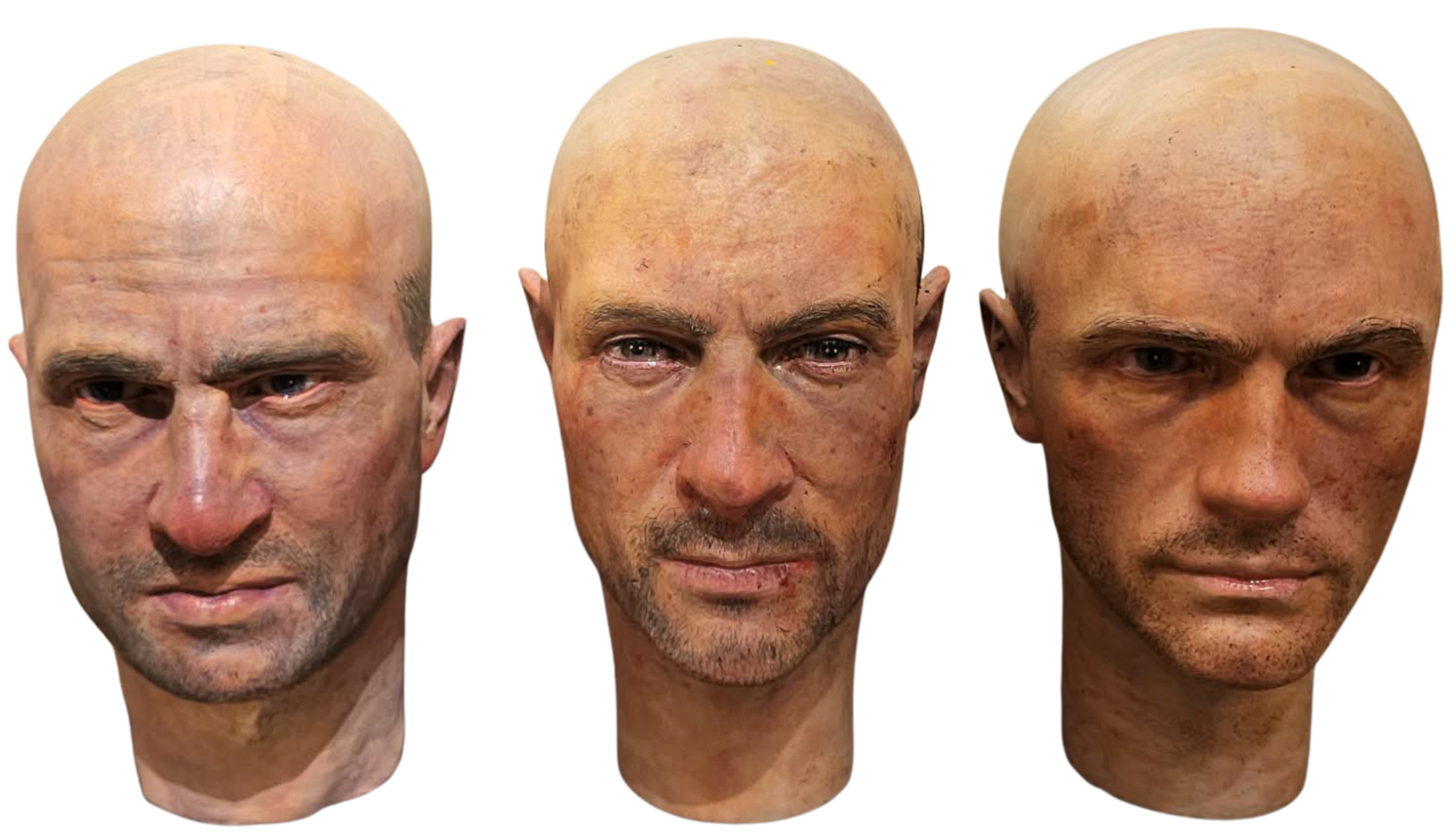
If you are interested in purchasing a head through Ruben, please click here
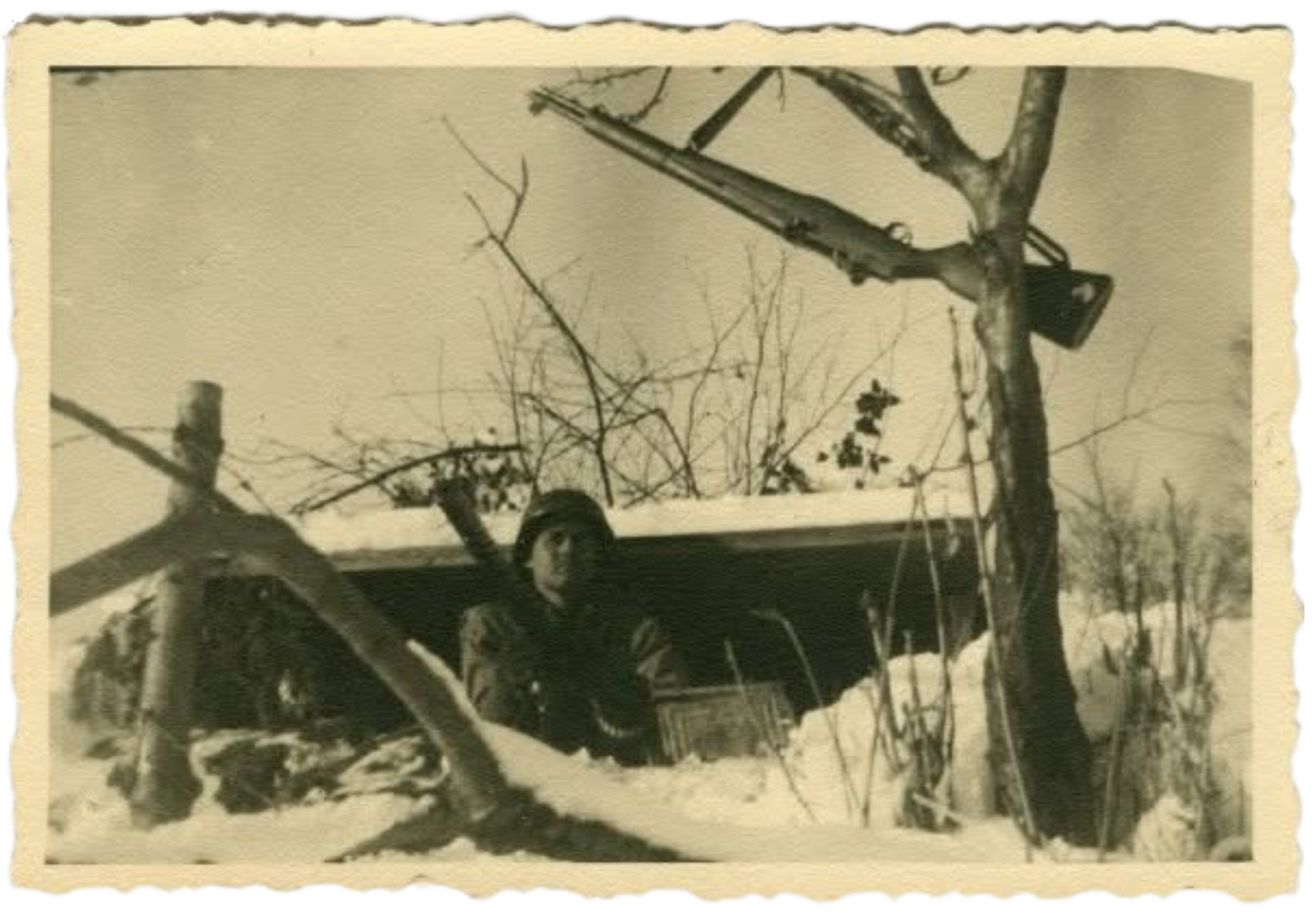
THE WINTER OF '44
✦
THE WINTER OF '44 ✦
Contact Us